
January Gardening Guide for Victoria, Australia
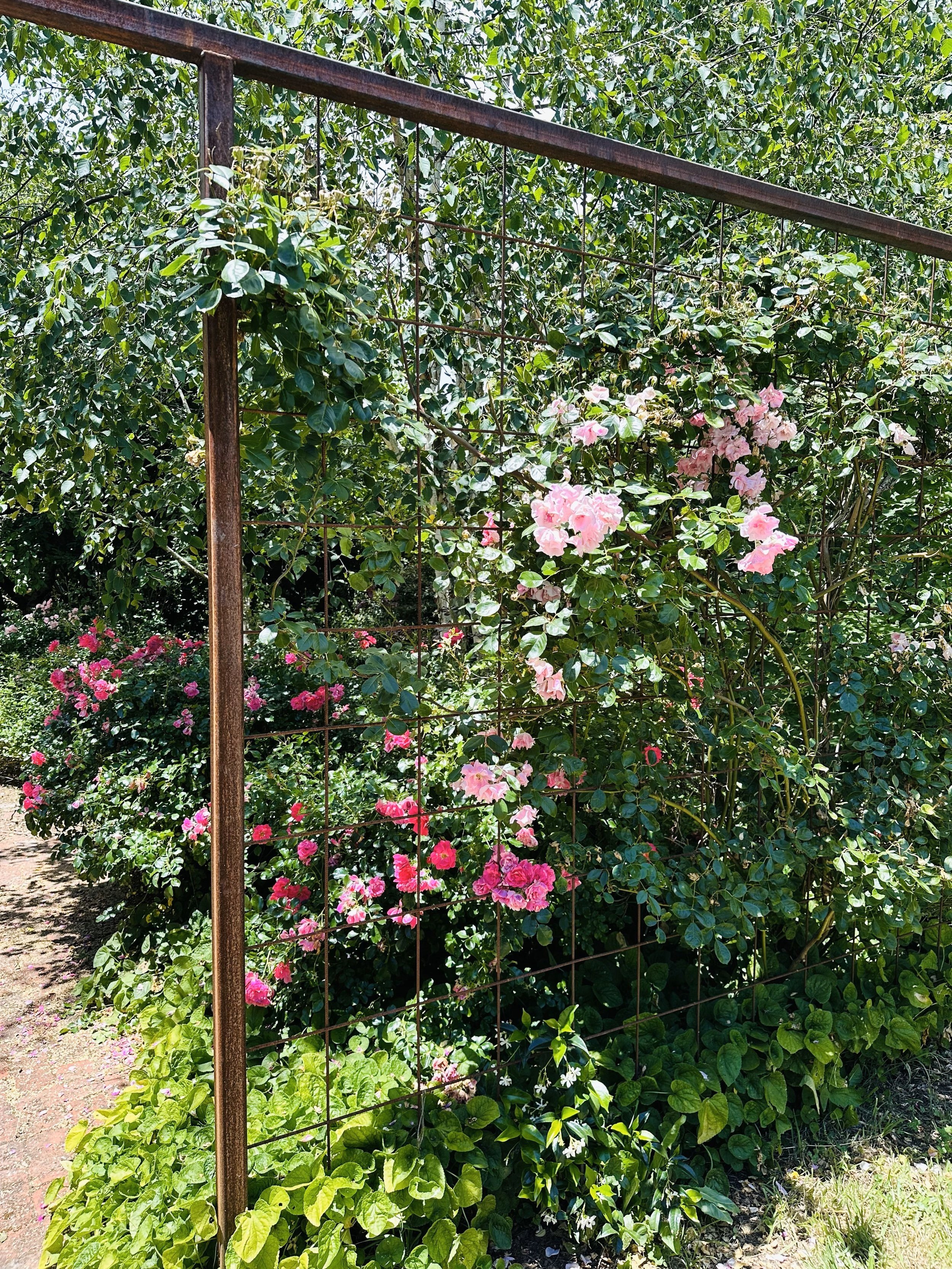
Climbing rose
As the summer sun blazes down on Victoria, Australia, January presents unique challenges and opportunities for gardeners. With soaring temperatures and long daylight hours, it's crucial to give your garden the attention it needs to stay healthy, vibrant, and full of life. Here's a complete guide on what to do in your garden this month.
1. Watering Wisely
January's heat can quickly dry out the soil, stressing plants and lawns. Here’s how to stay on top of watering:
- Water Early: Water your garden early in the morning to minimise evaporation and maximise absorption, while also reducing the risk of pests and fungal diseases.
- Deep, Infrequent Watering: Water deeply to encourage deep root growth, which helps plants endure dry spells.
- Mulch, Mulch, Mulch: Add a layer of organic mulch around your plants to retain moisture and keep roots cool.
- Check Irrigation Systems: Ensure drip systems and sprinklers are working efficiently, with no leaks or blockages.
2. Pest and Disease Management
Summer heat encourages the activity of pests and diseases. Keep your garden healthy with these tips:
- Watch for Pests: Look for aphids, whiteflies, and spider mites, which thrive in warm conditions. Use natural predators or organic sprays as needed.
- Fungal Diseases: Humid conditions can lead to powdery mildew and black spot. Remove infected leaves and increase airflow around plants.
- Trap and Control Snails and Slugs: Use traps or hand-pick them in the early morning or after rain.
3. Pruning and Deadheading
Keep your garden tidy and encourage new growth with strategic pruning.
- Deadhead Spent Flowers: Remove dead flowers from plants like roses, petunias, and dahlias to encourage further blooms.
- Prune Summer Growth: Trim hedges and shrubs to maintain shape and size. Avoid heavy pruning in extreme heat to prevent plant shock.
4. Feeding and Fertilising
Keep your plants well-fed to help them endure the summer heat.
- Use Slow-Release Fertilisers: Apply slow-release fertilisers to feed plants gradually.
- Liquid Feed for Pots and Hanging Baskets: Potted plants may require more frequent feeding since nutrients wash away with watering.
- Compost Boost: Add compost to garden beds to enrich the soil and improve its water-holding capacity.
5. Harvesting and Planting
January is a prime time for harvesting and succession planting.
- Harvest Summer Crops: Tomatoes, zucchinis, cucumbers, beans, and capsicums are likely ready for harvest. Pick them regularly to encourage new growth.
- Succession Planting: Plant fast-growing summer crops like lettuce, radishes, and Asian greens to enjoy continuous harvests.
6. Lawn Care
Keep your lawn lush and green despite the summer heat.
- Raise Mower Blades: Cut grass a little higher to shade the soil and reduce water loss.
- Water Deeply: Water less frequently but deeply to promote strong root growth.
- Apply a Summer Lawn Fertiliser: Choose a slow-release fertiliser to give your lawn a steady supply of nutrients.
7. Shade and Protection
Sensitive plants can suffer in the intense sun. Offer them some respite.
- Install Shade Cloth: Use shade cloths over vegetable patches or delicate plants to prevent sunburn.
- Move Potted Plants: Shift pots to shaded areas or under verandas.
8. Garden Planning and Preparation
It’s never too early to plan for the next season.
- Start Autumn Veggies: Plan your autumn veggie patch by sowing seeds for crops like broccoli, cabbage, and kale.
- Take Cuttings: Propagate new plants from cuttings of geraniums, lavender, and rosemary.
- Soil Preparation: Prepare garden beds for future planting by digging in organic matter.
Final Thoughts
January in Victoria can be challenging for gardens, but with a little planning, you can keep your plants thriving. From thoughtful watering to pest control and pruning, every task you complete now will pay dividends in the weeks to come. Stay consistent, stay cool, and enjoy the rewards of a flourishing summer garden.