
Your New Garden in West & North West Melbourne: What to Expect in the First 3 Months
Completing a new garden design or landscaping project is an exciting milestone. Fresh planting, clean lines, new mulch, and a thoughtfully designed outdoor space can completely transform the feel of your home.
Across West and North West Melbourne, homeowners are creating gardens in all kinds of spaces — from established family homes to newer estates. No matter the size or style, the first few months after installation are an important settling-in period.
As the garden adjusts, plants begin establishing their roots, watering needs become clearer, mulch naturally settles, and different areas of the space respond to sun, wind, and soil conditions in their own way.
This is all a normal and healthy part of the process.
The first three months are when a newly installed garden starts to move beyond the finished design and become a thriving, established outdoor space.
Understanding what to expect during this stage helps you care for your garden with confidence and enjoy the progress as it grows.
Soil Settling in Western Suburbs
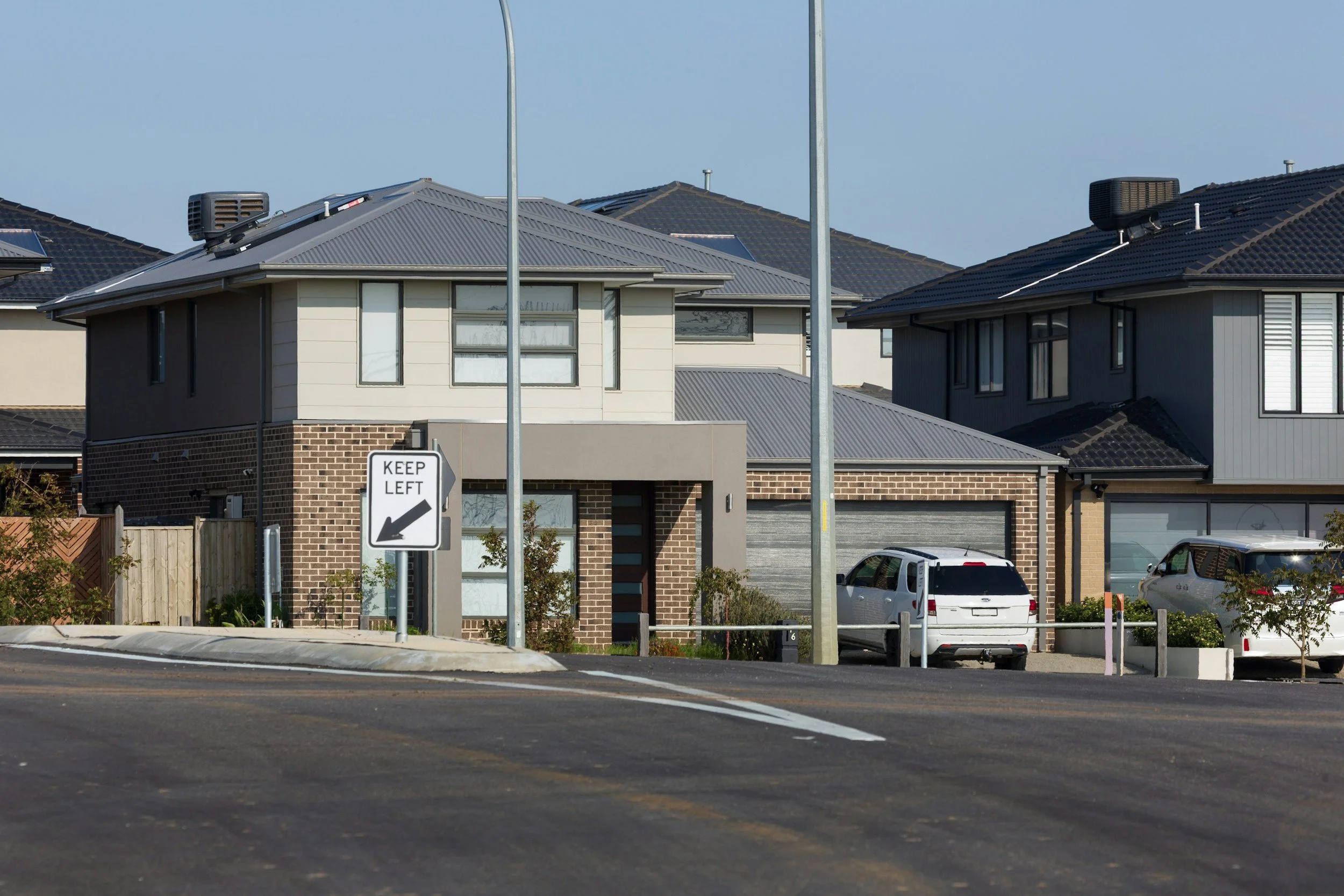
Many parts of West and North West Melbourne are known for heavier clay-based soils, particularly in newer estates and areas that have seen recent construction. While clay soils can be rich in nutrients, they often behave differently to lighter sandy soils and usually benefit from a little extra attention in the early stages of a new garden.
During wetter periods, clay soils tend to hold moisture for longer, which can mean slower drainage in some areas. After heavy rain or frequent watering, certain spots may stay damp while others dry more evenly. This is a normal characteristic of clay soil and simply means watering may need to be adjusted as the garden settles in.
In drier weather, clay soils can shrink and crack as moisture levels drop. While this can look concerning at first, it is a natural response to changing conditions. These cracks often reduce once moisture returns and the soil structure improves over time.
Construction can also leave soil compacted, especially in new builds where machinery, foot traffic, or removed topsoil have affected the ground. Compacted soil can make it harder for water, air, and roots to move freely, which may slow plant establishment in the first few months.
The encouraging news is that clay soils can improve beautifully with the right care. Adding organic matter such as compost, applying mulch regularly, and avoiding unnecessary disturbance all help build healthier soil structure over time. As the soil opens up and biology improves, drainage, root growth, and plant performance often improve significantly.
With a little patience and consistent care, many clay soils become productive, moisture-retentive, and excellent for long-term garden health.
Heat Reflection in New Estates
In many newer developments across West and North West Melbourne, outdoor spaces are still in the early stages of establishing their own microclimate. Fresh paving, boundary fencing, retaining walls, and surrounding homes can all absorb and reflect heat, especially through late spring and summer. Without mature trees or established canopy cover to provide shade and cooling, gardens may feel hotter and drier than expected.

This reflected heat can place extra pressure on newly planted gardens. Areas beside paving, fences, or north and west-facing walls often warm up quickly during the day and hold that warmth into the evening. As a result, soil may dry faster, mulch can break down more quickly, and some young plants may show signs of heat stress such as wilting, leaf curl, or slower growth during hot periods.
This is particularly common in the first season after landscaping, when plants are still developing their root systems. New roots are naturally smaller and less established, so they are not yet as efficient at drawing moisture from deeper soil layers. That simply means young gardens may need a little more support while they settle in.
The good news is that this stage is temporary. As plants establish, root systems strengthen, foliage thickens, and garden beds begin creating their own cooling effect. Shrubs and trees gradually provide more shade, soil biology improves, and mulch helps regulate temperature and moisture levels.
A few simple strategies can make a big difference during this early period:
monitor soil moisture regularly during warm weather
top up mulch to protect the soil surface
water deeply and consistently rather than lightly and often
group plants with similar water needs together
consider temporary shade for delicate new plantings during heatwaves
Most importantly, this does not mean the garden is struggling or failing. It simply means young gardens need time to mature and develop resilience. With steady care through the first season, many newer landscapes quickly become stronger, cooler, and easier to manage year after year.
Wind Exposure
Some parts of North West Melbourne can experience stronger open winds, particularly in newer estates, elevated areas, or suburbs with fewer established trees and sheltering plantings. Wide streets, open paddocks nearby, and young neighbourhoods that are still developing can all allow wind to move more freely through the landscape.
For a newly installed garden, this is something to be aware of rather than worried about.

Wind can dry soil and garden beds more quickly than expected, even on mild days. Moisture may be lost through evaporation faster than in more sheltered spaces, which means watering needs can sometimes be higher while plants are establishing.
New staking may also need checking in the early months. Young trees and standard plants benefit from support while roots anchor into the surrounding soil, but ties should still allow gentle natural movement. That movement helps strengthen trunks over time, while secure staking prevents leaning or rocking in stronger gusts.
Softer foliage plants can also respond to exposed conditions. Broad leaves may tear, edges can dry slightly, and delicate new growth may need time to harden off. This is often temporary, especially as surrounding planting fills out and creates more protection.
The encouraging news is that simple adjustments usually make a noticeable difference. These may include:
checking stakes and ties after windy weather
applying mulch to reduce moisture loss from the soil
watering deeply when conditions are warm and breezy
grouping plants so they shelter one another over time
adding screening plants or hedging for long-term wind protection
As the garden matures, trees, shrubs, and layered planting naturally begin softening wind movement and creating a more protected microclimate. What feels exposed in the first season often becomes far more balanced as growth fills in.
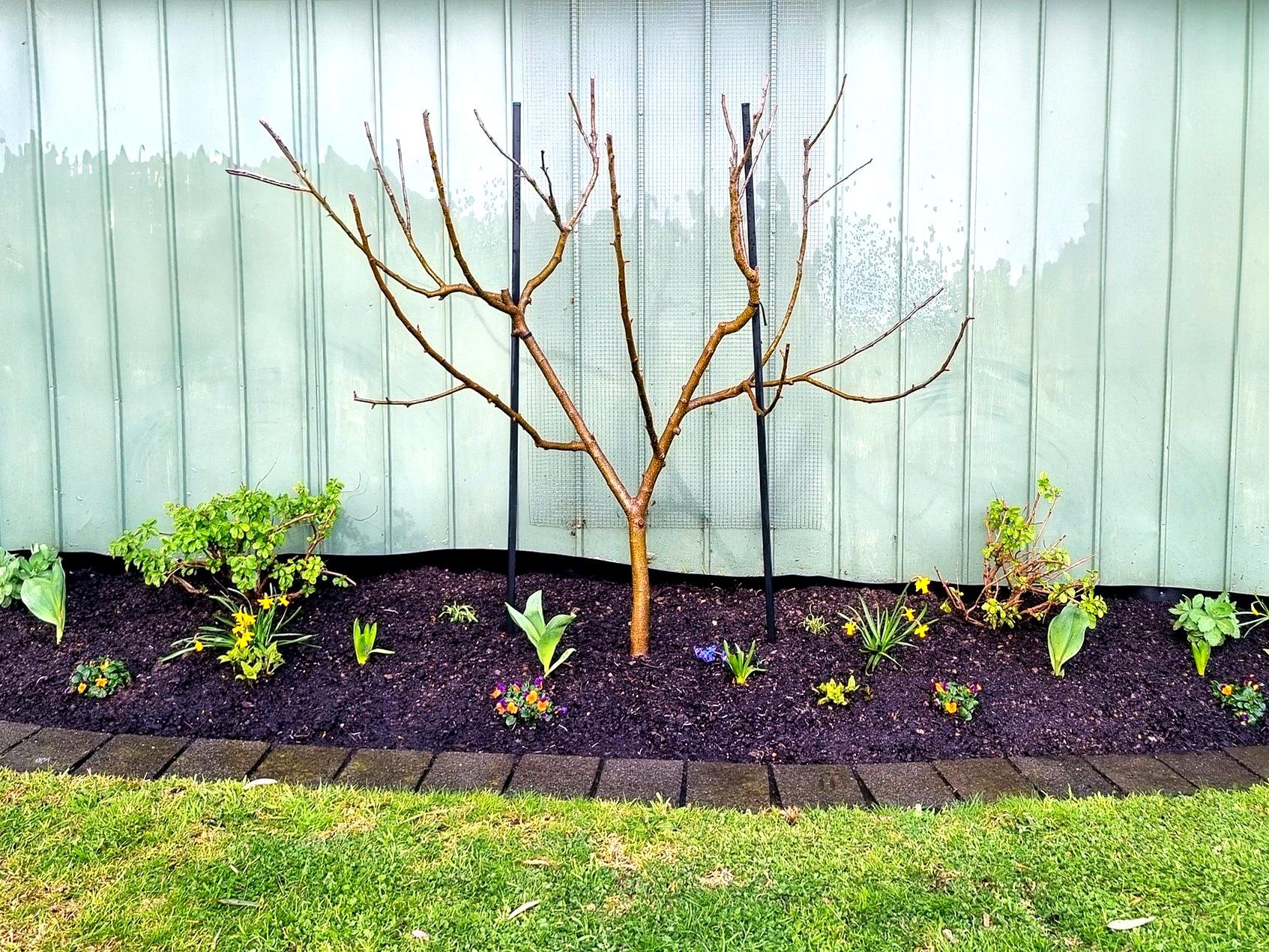
The first three months of a new garden in West or North West Melbourne are all about steady progress.
Roots are establishing, soil is settling, and plants are learning how to thrive in your unique space.
You do not need to expect perfection straight away. Every garden develops at its own pace, especially in Melbourne’s varied local conditions.
With simple care, a little patience, and seasonal guidance, most new gardens begin to flourish beautifully.
And before long, the outdoor space you hoped for starts feeling like home.
The first three months of a new garden are a time of quiet progress. While much of the growth happens below the surface, roots are establishing, soil is settling, and plants are adapting to the unique conditions of your West or North West Melbourne home.
It is completely normal for a new garden to need a few small adjustments as it finds its rhythm. Changes in watering, mulch settling, seasonal weather, and plant establishment are all part of creating a healthy and lasting outdoor space.
The most important thing during this stage is not perfection — it is consistency. Simple care, regular observation, and a little patience often lead to the strongest results.
Before long, the garden you imagined begins to feel established, welcoming, and full of life.
If you’d like support during those early months, Flora Scope can help with professional garden maintenance, seasonal guidance, and ongoing care tailored to West and North West Melbourne conditions.
🌿 Get in touch today to help your new garden thrive with confidence.